Technology · The Forge
How the Forge works.
The Forge is how Arcwright makes its own 3D models. Not a stock library and not a generated blob: a recipe of real parts, fitted to a reference picture, built in stages you can watch, then painted and aged like the real thing. Every part stays editable.
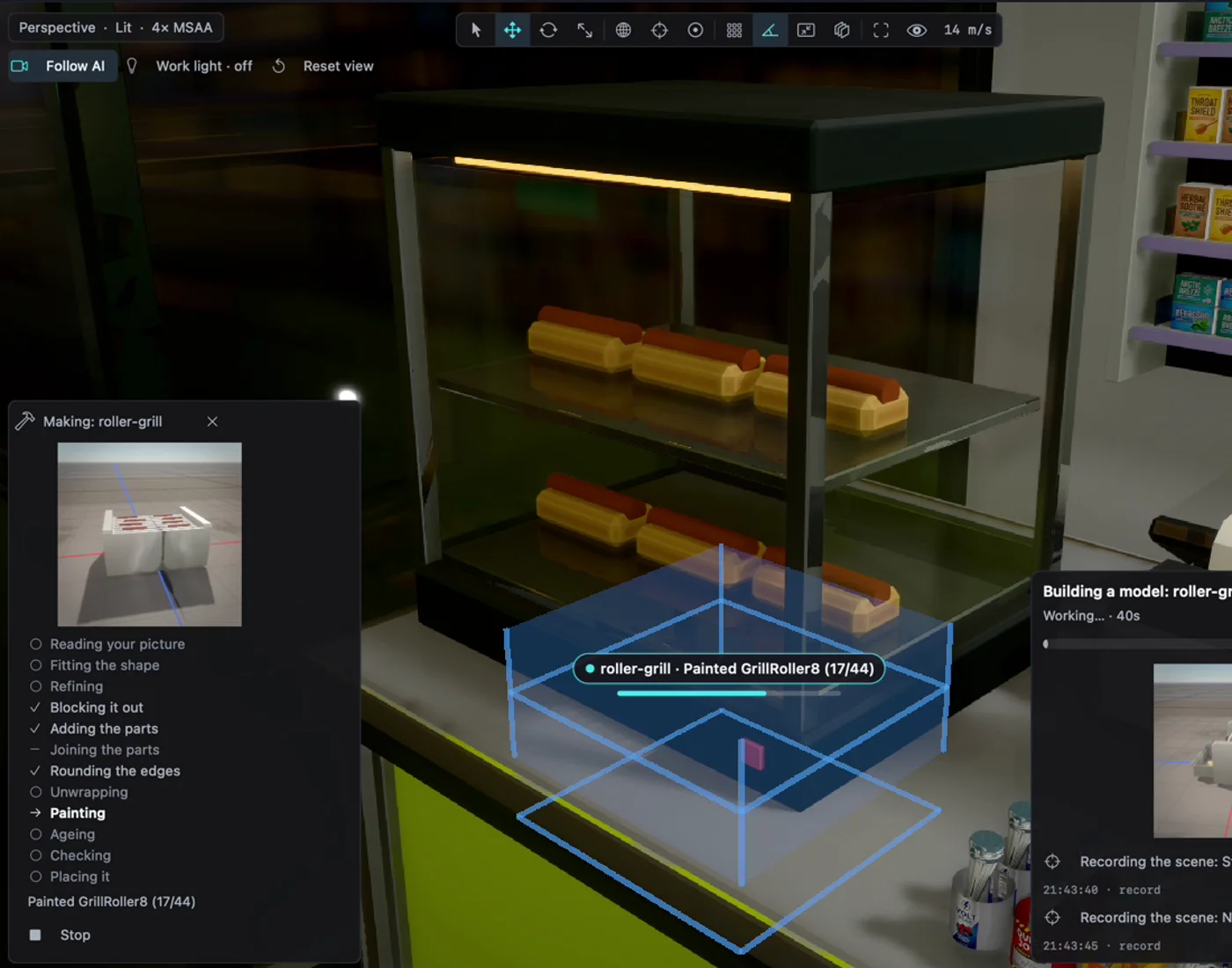 12345
- 1The build list. Twelve stages, from reading the picture to placing the model.
- 2The picture it builds from.
- 3Part 17 of 44 being painted, live in the scene.
- 4Status: what it's building and for how long.
- 5Follow AI keeps the camera on the work.
- Reading your picture
- Fitting the shape
- Refining
- Blocking it out
- Adding the parts
- Joining the parts
- Rounding the edges
- Unwrapping
- Painting
- Ageing
- Checking
- Placing it
The twelve stages, exactly as the Forge's build list shows them.
01 · A recipe
Every model is a recipe of real parts.
A Forge recipe is plain code that names each part of an object: its shape, its size, how round its edges are, and what it's made of. Your AI writes the recipe for you; you can read it in the Workshop and change any line. Change a number, and the Forge rebuilds the model.
Because it's built from parts, a model keeps real edges, gaps and thickness. A drawer is a drawer, a bottle has a cap, a door has panels. Nothing is a single melted shape.
In a recipe
- Parts: boxes, cylinders, spheres, lathes, sweeps and more
- Edges: a bevel on every part, so light catches it
- Materials: wood, metal, paint, fabric, glass, each with its own finish
- Wear: from new to field-worn
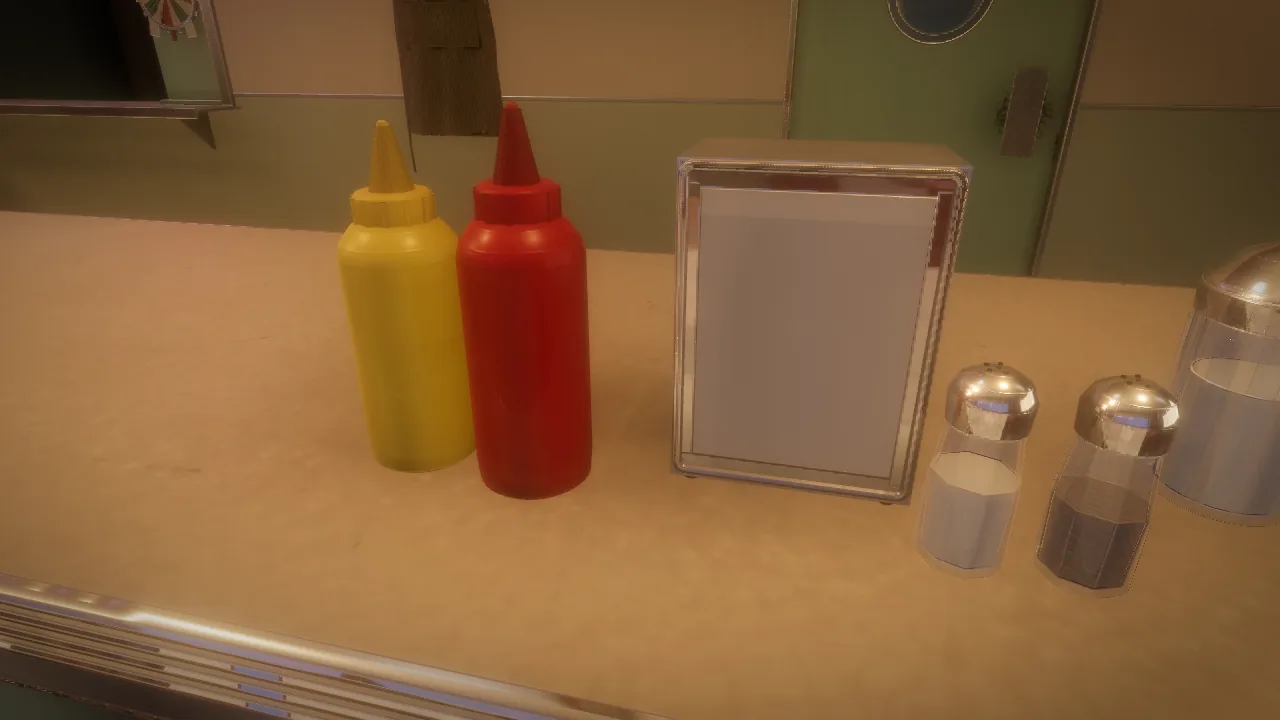
Every prop on Rosie's Diner counter is a Forge recipe: bottles, caps, the napkin holder, the shakers.
02 · Fitted to the picture
It measures the reference and fits the model to it.
Give the Forge a picture, ideally the object from the front, side, back and three-quarter on a plain background, and it measures the outline in each view. Then it fits the model's proportions until its silhouette lines up with the picture's.
The red line below is the reference's outline drawn over our model: when it hugs the shape all the way round, the fit is right. The kart was built the same way: a reference turnaround on the left, the Forge's kart from the same four sides on the right.
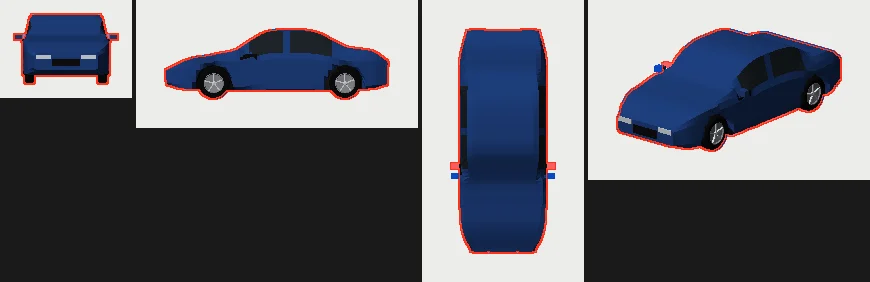
The fit check: the reference outline in red, over the forged car.

The reference, from four sides.

The Forge's kart, from the same four sides.
03 · Pass after pass
It checks its own work, and goes again.
After each build the Forge renders the model, compares it to the reference and fixes what's off: a strap in the wrong place, a shell too thick, a missing rail. These are eight passes on one combat helmet, from a plain shell to the final with its rails, mount and strap.
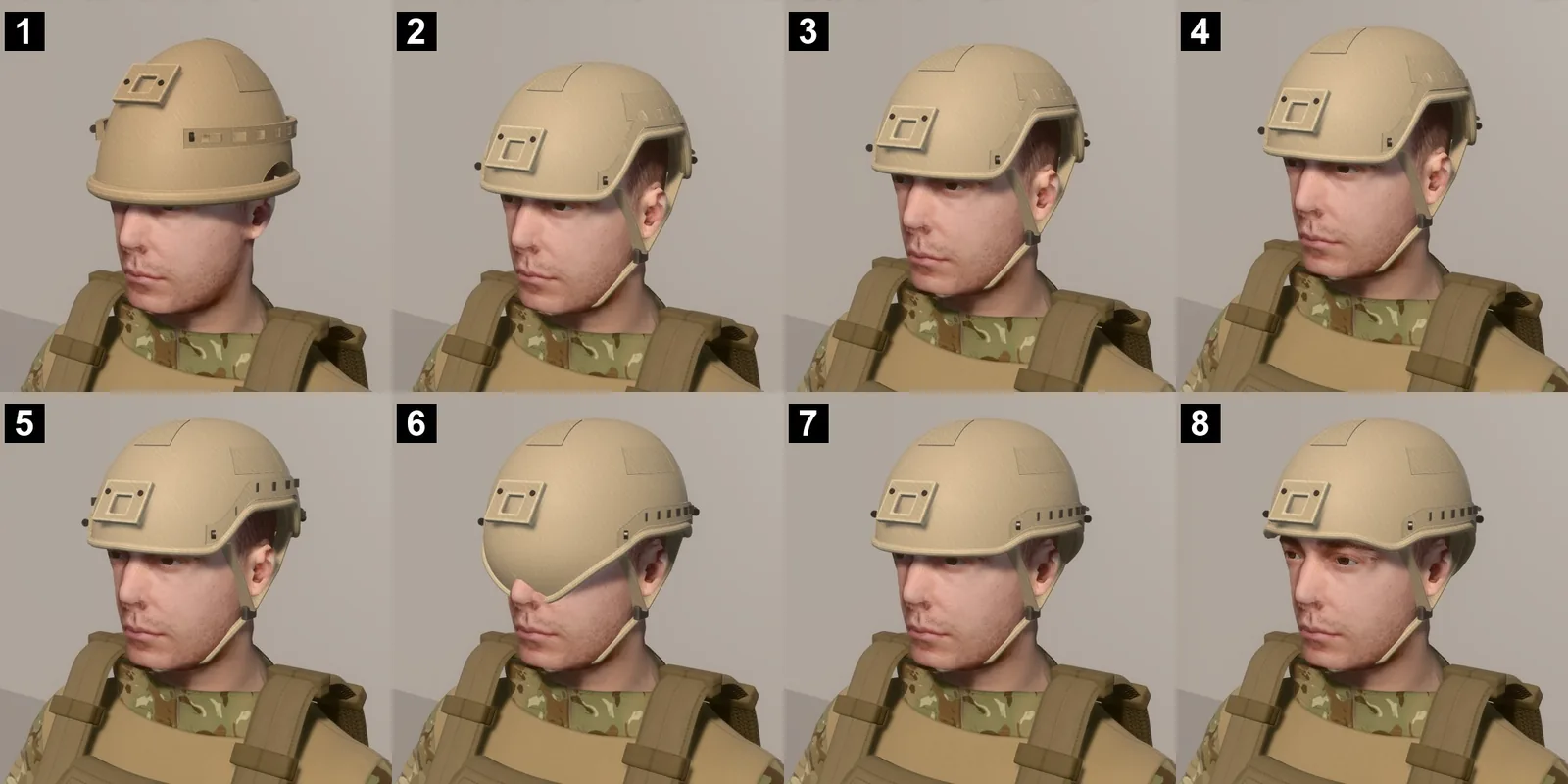
Eight passes on the soldier's helmet, numbered in order.
04 · A whole store
From one object to hundreds.
The same recipes scale from one object to a whole room. For a convenience store the Forge built the shelves, the price tags, the freezers and every packaged snack on them, from reference pictures of each product.
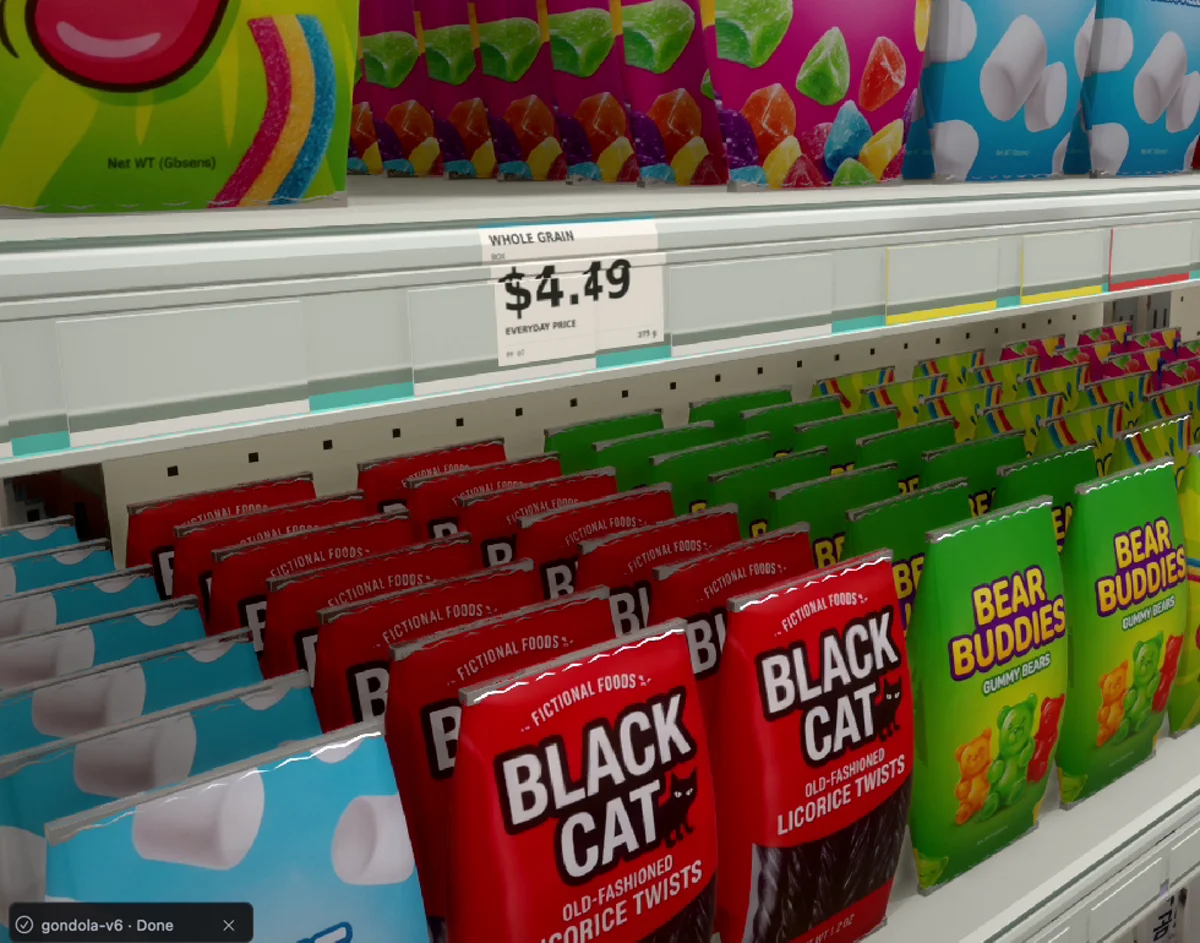
Shelves of forged snacks, each bag its own model.
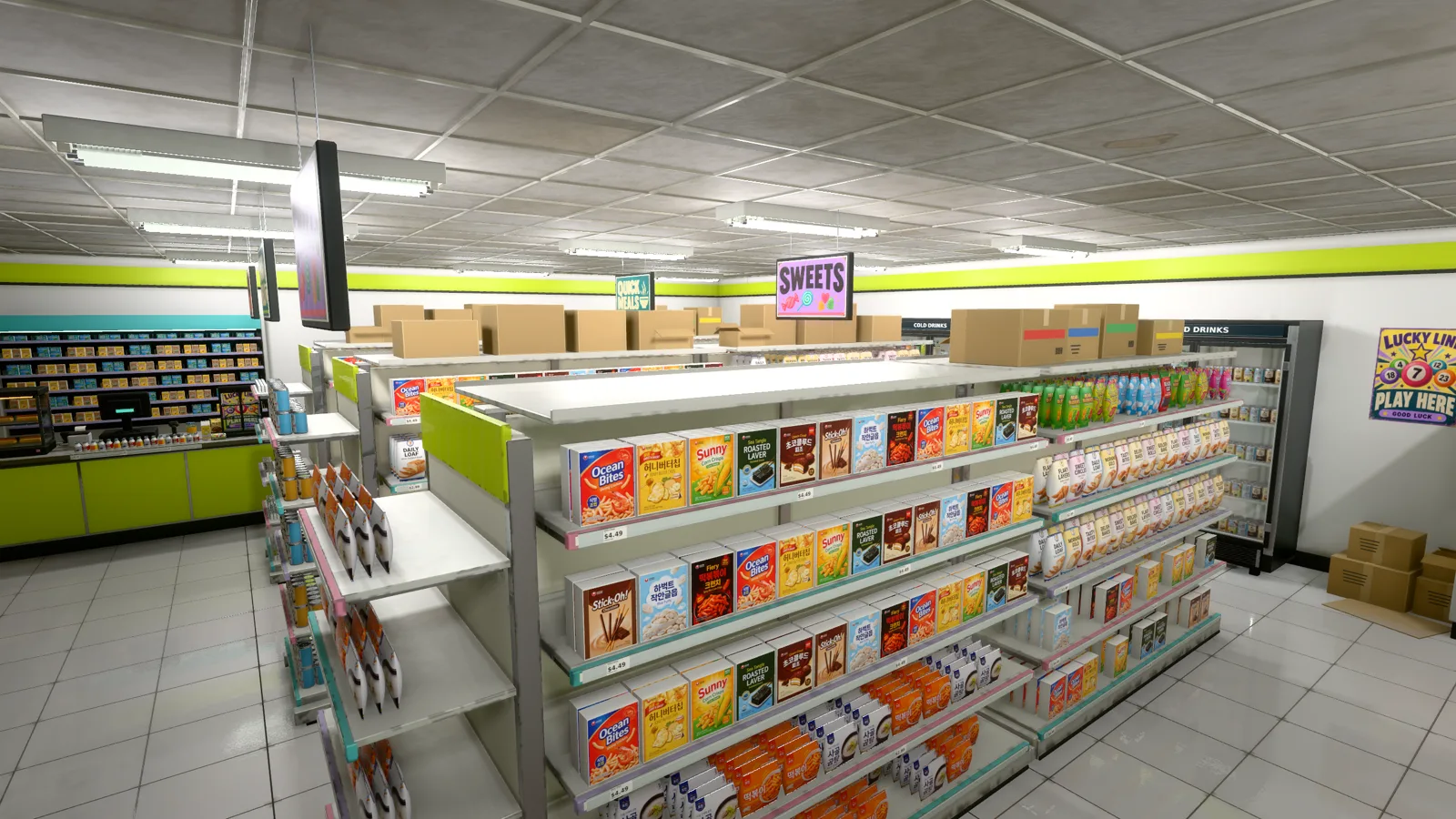
The whole store.
05 · Buildings
Houses, room by room.
Buildings are recipes too: walls, floors, roof, windows, porch and mailbox, then every piece of furniture inside. Our first whole house was made this way on Day 8.
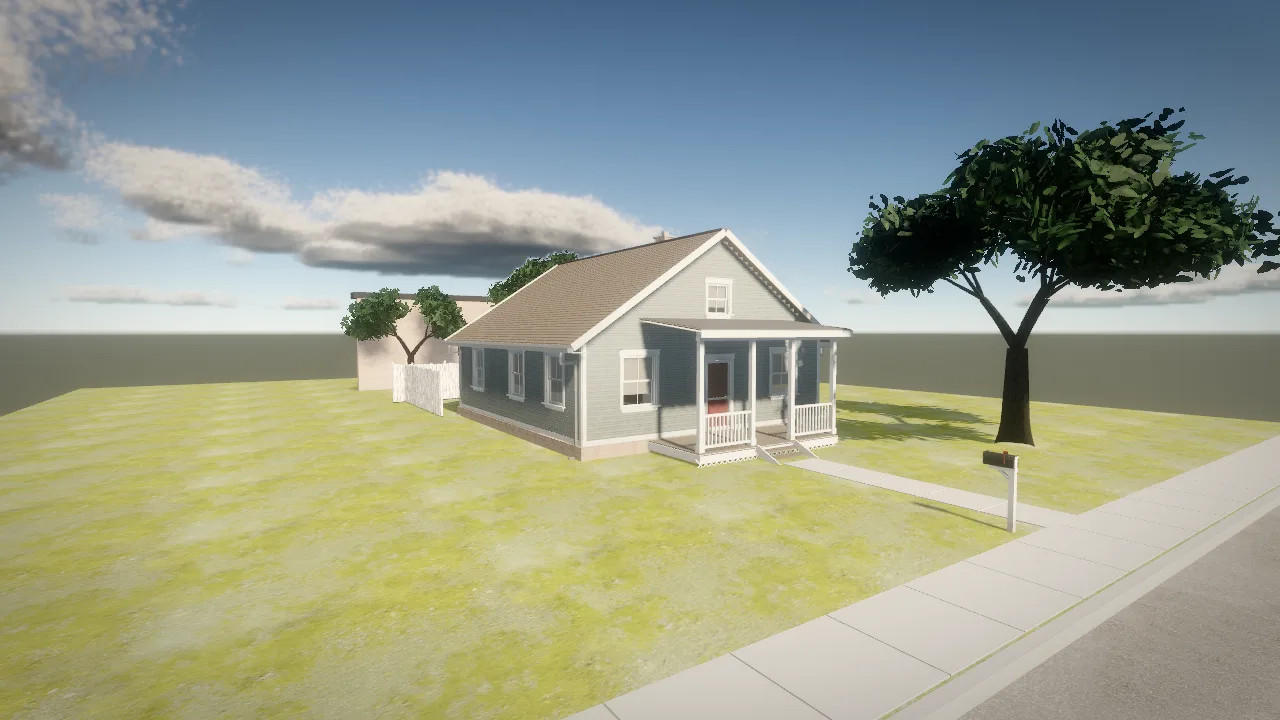
The house from the street.
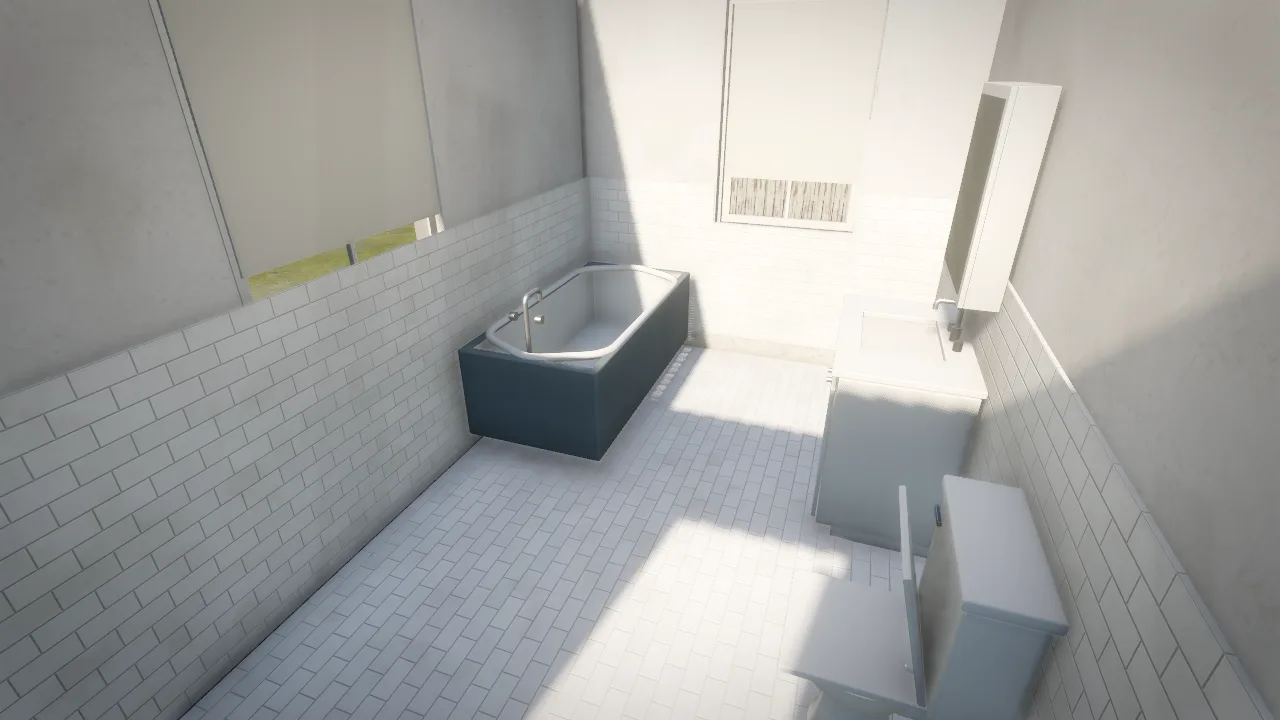
The bathroom: tub, tiles, sink and fittings.
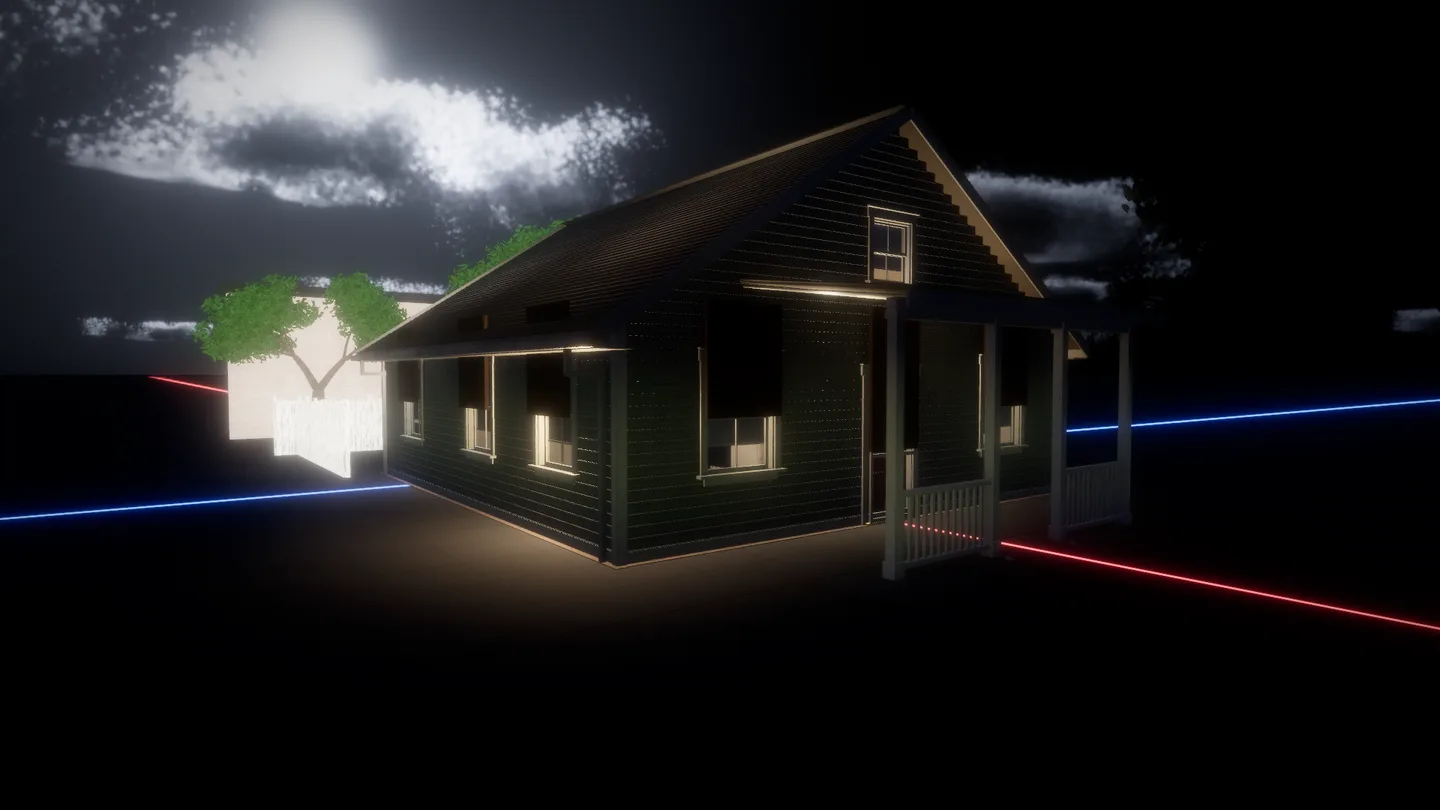
A second house, lit from inside.
06 · Vehicles
Cars with an engine bay.
Vehicles get the same treatment: body panels, glass, chrome trim, wheels with tyres and hubs, and under the hood an engine you can see. The garage around this muscle car is forged too: the lift, the tool wall, the workbench.
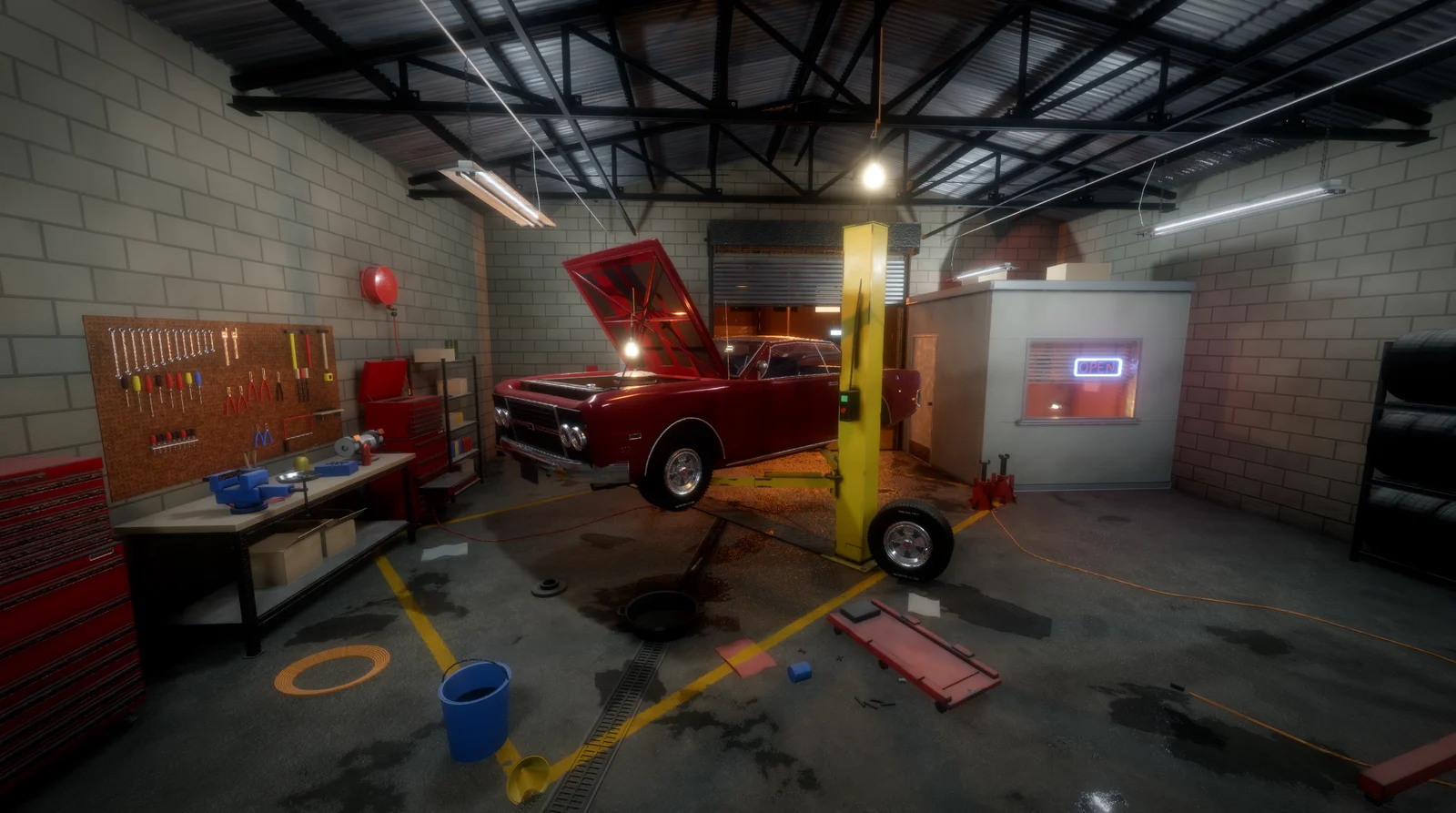
A muscle car on the lift, in a garage built the same way.
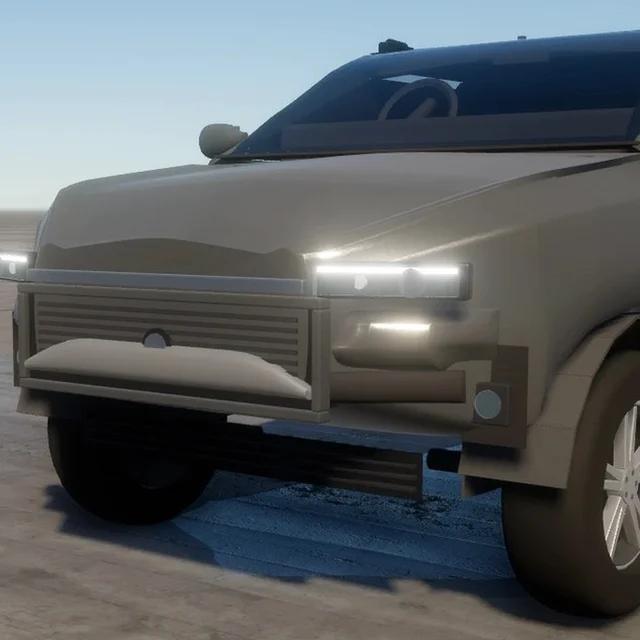
An SUV, work in progress.
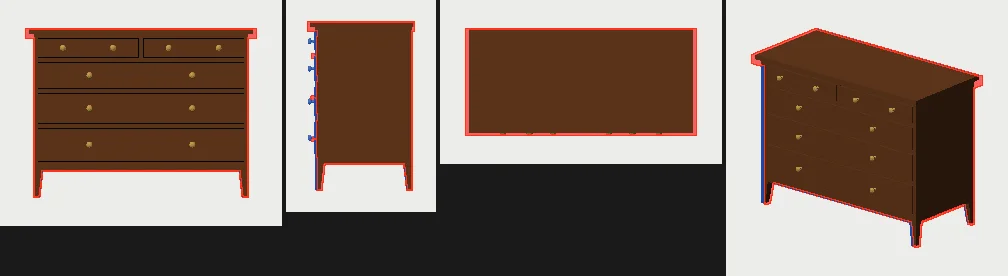
A dresser, fitted to its reference.
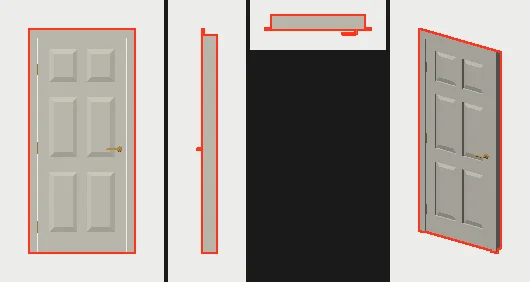
A door, fitted to its reference.
07 · Weapons
Guns with moving parts.
Weapons are built part by part, so the parts can move: a pistol's slide racks and locks open on the last round, a shotgun's fore-end pumps, a rifle's magazine comes out. Sights, rails and serrations are real geometry, not a painted texture.
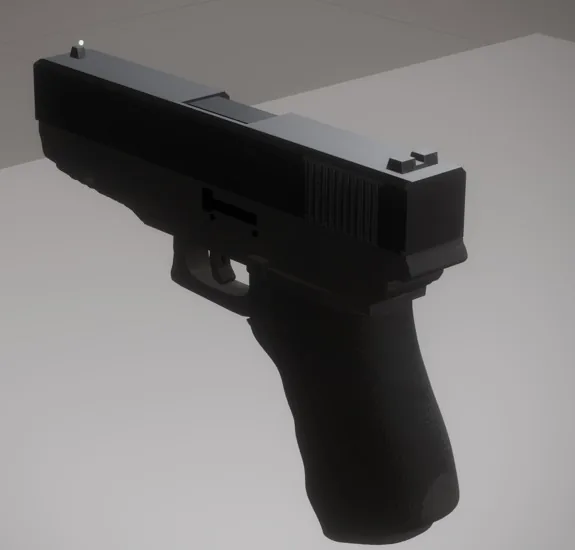
A service pistol: slide, serrations and sights.
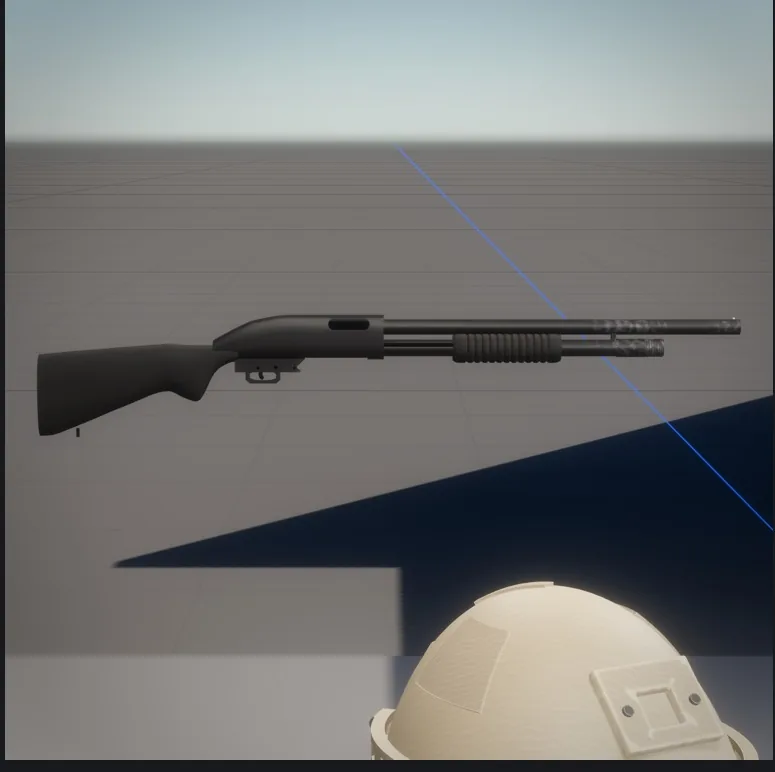
A pump shotgun.
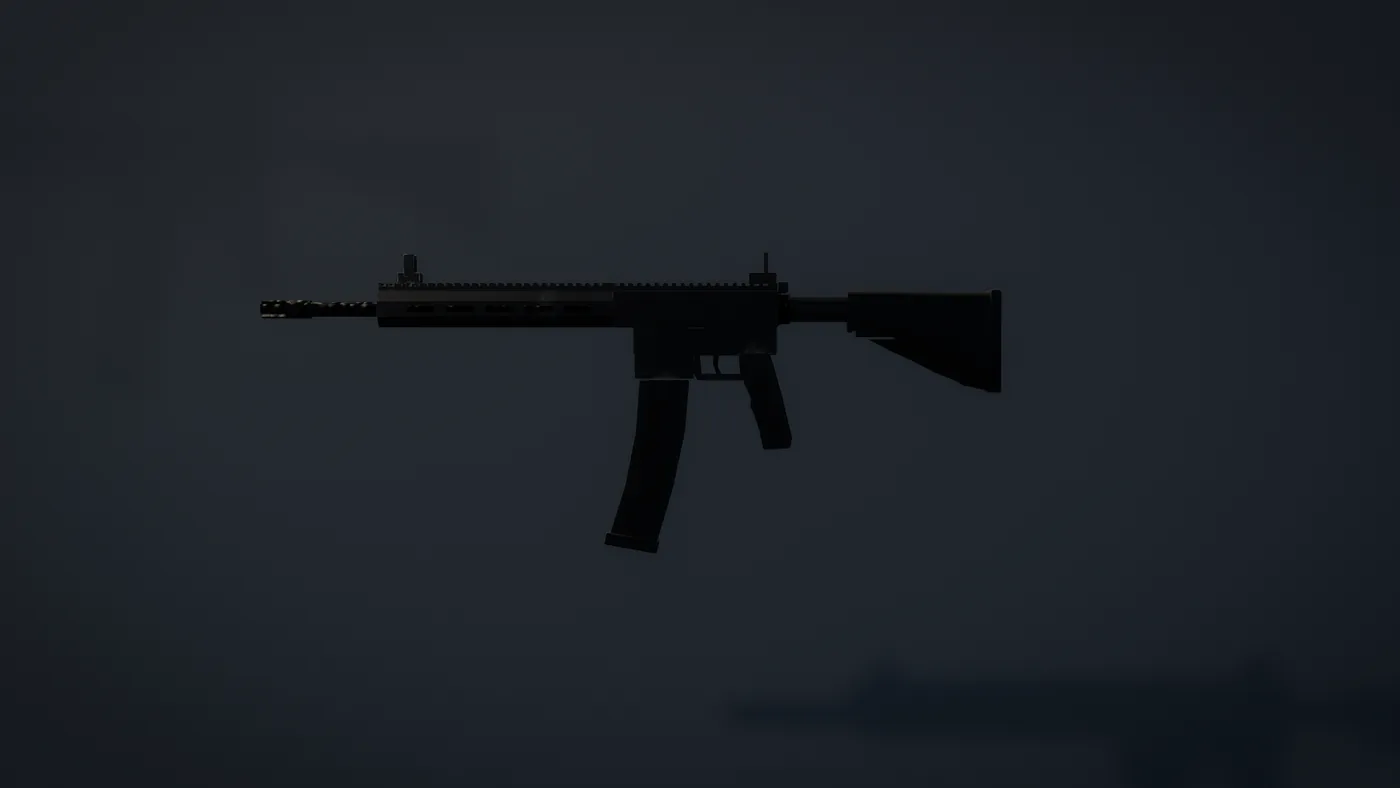
A carbine: rail, sights and stock.
08 · People
Characters, from realistic to stylised.
For realistic people, the Face Forger builds a face and our own body model takes it from there, dressed in forged gear. For stylised heroes and creatures, the Toon Forge builds from a recipe (proportions, face, hair, outfit, colours) and the Sheet Sculptor fits the body to a reference sheet. Every character comes rigged and walks, runs, jumps and glides straight away.
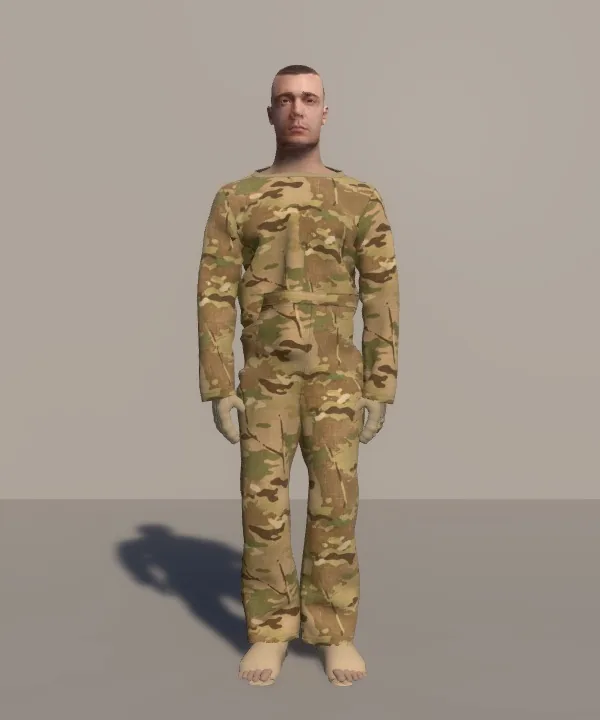
The soldier for our zombie game: uniform, boots and gear, all forged.
09 · In your browser
Try the real Forge right now.
The same Forge runs on our servers for the web. Pick a model, shape it with sliders (size, wood, wear, dust), press Forge it, and download a GLB that opens in Unity, Unreal, Godot, Blender or Arcwright. Free with an account: 30 models a day.
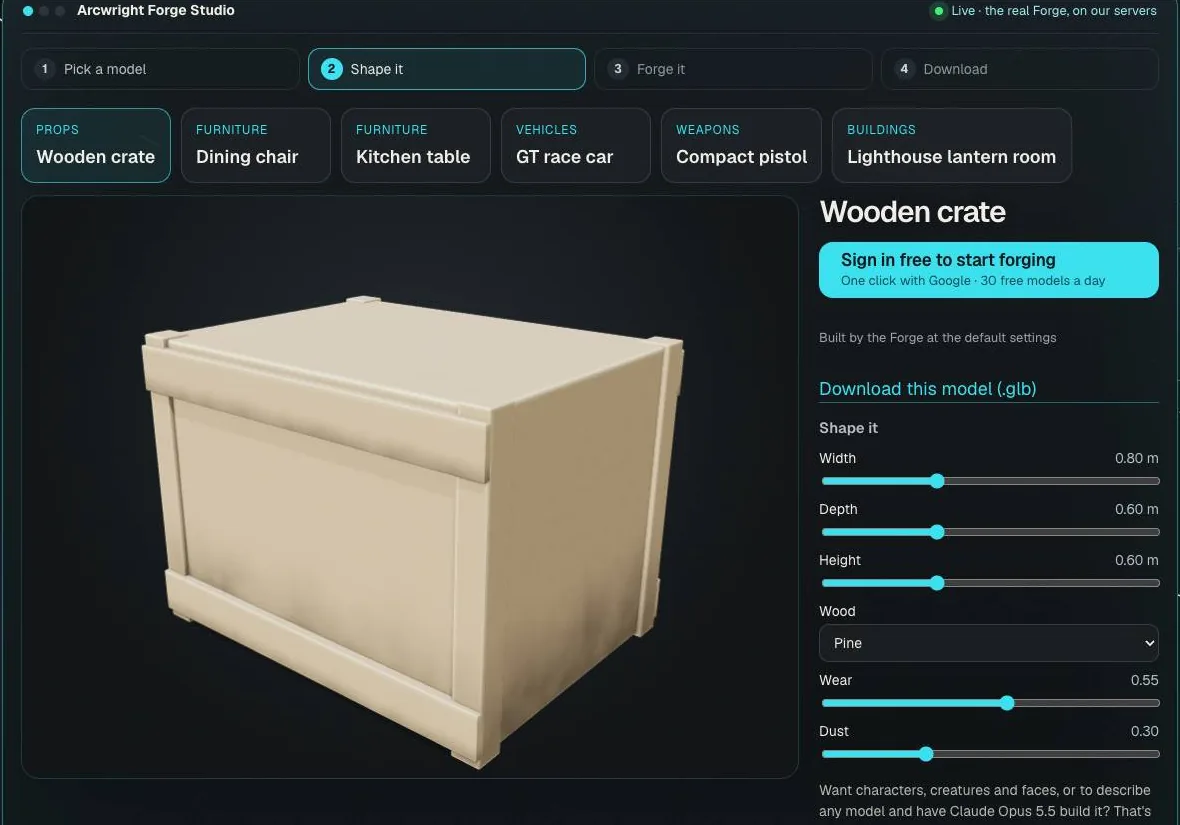 12345
- 1Four steps: pick, shape, forge, download.
- 2Models: props, furniture, vehicles, weapons, buildings.
- 3A real 3D viewer: drag to turn it, scroll to zoom.
- 4Sliders change the recipe: width, depth, height, wood, wear, dust.
- 5Download a GLB for any engine.
See it for yourself.
Download Arcwright free and open any of our games to see these systems at work.
Start building today.
Arcwright is free. Download it, describe your game, and watch Claude Opus 5.5 build it in front of you.
 First 100 accounts get 200 free Sparks · left
On your phone? Play our games right here, or .